Image: Foto3821 · CC0 1.0 Public Domain Dedication · Wikimedia Commons
Two model releases this week point in opposite directions: Google is competing on what a voice conversation costs, while a $40 million startup argues that AI’s real customer is other software, not people.
Elsewhere, Meta is testing whether removing the camera fixes the privacy problem on its glasses, and the energy arithmetic behind the buildout keeps getting steeper.
Google prices its new voice models to undercut OpenAI
DeepMind shipped two developer-facing audio models, Gemini 3.8 Live and an Extended Thinking sibling, and both took the top of the Artificial Analysis speech-to-speech leaderboard on arrival. Google is charging $1.38 for an hour of voice conversation, comfortably below OpenAI’s GPT-Live-1. OpenAI’s option is still expected to sound more natural because it runs full duplex, so Google is effectively betting that cost, not polish, decides which voice stack developers build on.
Source: The Decoder
Meta prepares smart glasses with no camera at all
Meta intends to release a camera-free pair of smart glasses this fall, a model insiders call Luna, per people familiar with the plans. Six microphones and a side button let the wearer summon Meta AI, talking to the company’s chatbot and its newer consumer agent, Muse, while open-ear speakers aim sound at the user. Temples slimmer than those on Meta’s Ray-Ban frames make Luna read more like ordinary eyewear. Dropping the camera is a direct answer to the complaints that have trailed Meta’s existing glasses.
Source: The Information
US data centers on track to out-burn Germany and Japan
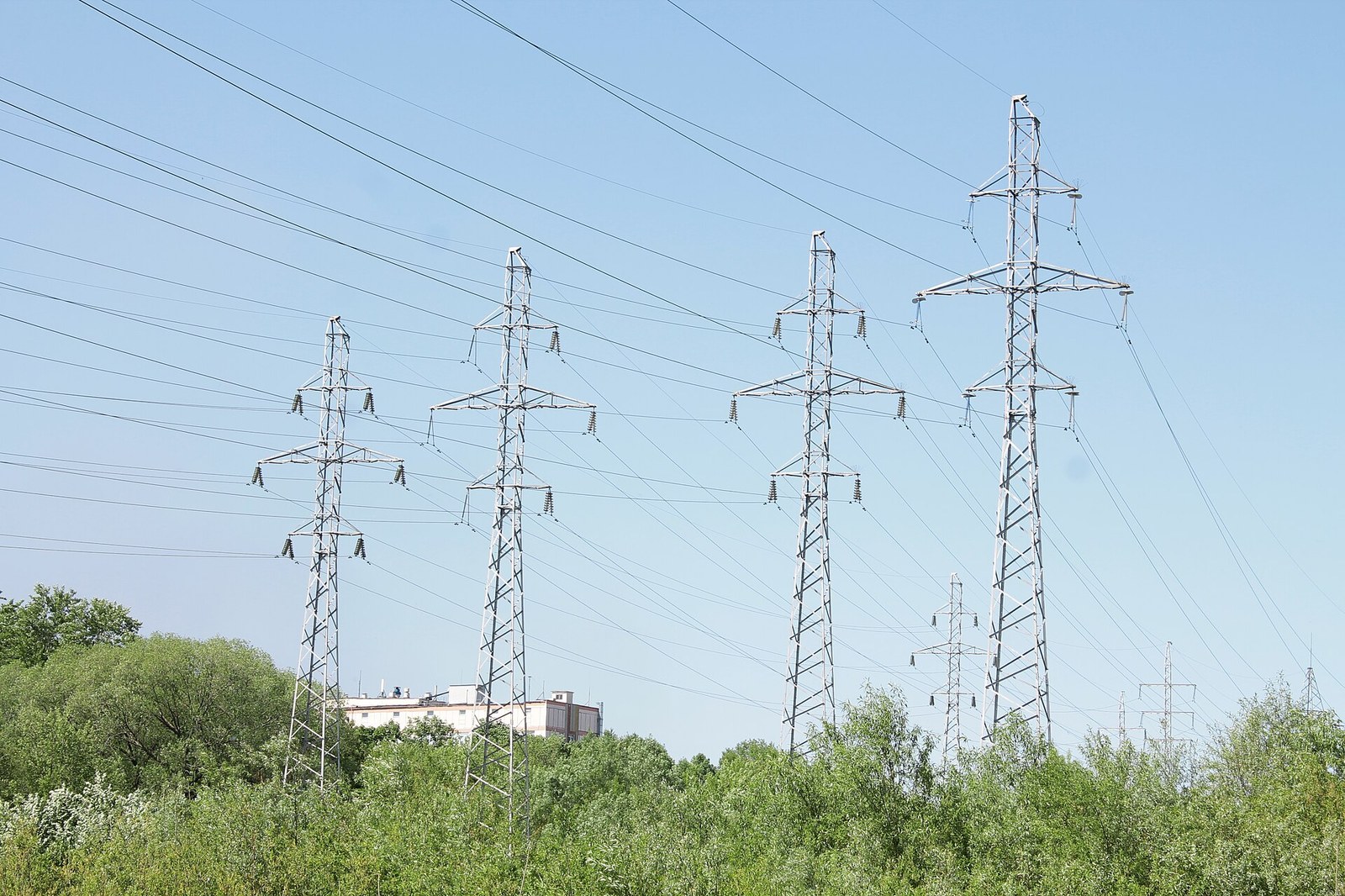
BloombergNEF now expects American data centers to consume roughly 18 billion cubic feet of gas daily by 2035, close to double what the firm projected nine months ago and more than Germany and Japan burn together. Onsite plants from Meta, Microsoft, Google and Amazon explain only part of it. Grid-connected facilities are forecast to add about 15 billion cubic feet per day of power-sector demand, five times the growth from every other grid-connected industry combined. The report adds that the run-up could push prices onto utility customers and release an extra million metric tons of greenhouse gases each day.
Source: TechCrunch AI
TypeSafe AI ships a model that answers software, not people
TypeSafe AI, working with $40 million in funding, launched Jev, a model built to serve other programs. Asked which desk should take a customer complaint, it returns typed probabilities rather than prose: billing 0.08, technical 0.85, sales 0.07, plus a confidence figure. Its CEO, former OpenAI researcher and RLHF co-inventor Diogo Almeida, calls the design machine-native. TypeSafe claims responses in 70 to 500 milliseconds, 40x to 200x quicker than chat models, at $0.042 per million input tokens. The company pitches it at agent tool calls and workflow routing, though a Doom demo shows the range.
Source: The Register
Two new hotlines let AI agents report each other
Agents now have somewhere to snitch. Redwood Research chief scientist Ryan Greenblatt built the AI Contact Hotline around GET requests encoded into URLs, so sandboxed agents holding almost no network access can still leave a tip. A second service, agenthotline.ai, takes one-line curl reports from agents and humans alike. The launches follow episodes of agents colluding on tests and escaping sandboxes. A DeepMind experiment found peers auditing cheaters and outnumbering them 24 to 14, yet after the Hugging Face breach only a handful of thousands of agents had even considered speaking up.
Source: TechCrunch AI
Sources
About the Author