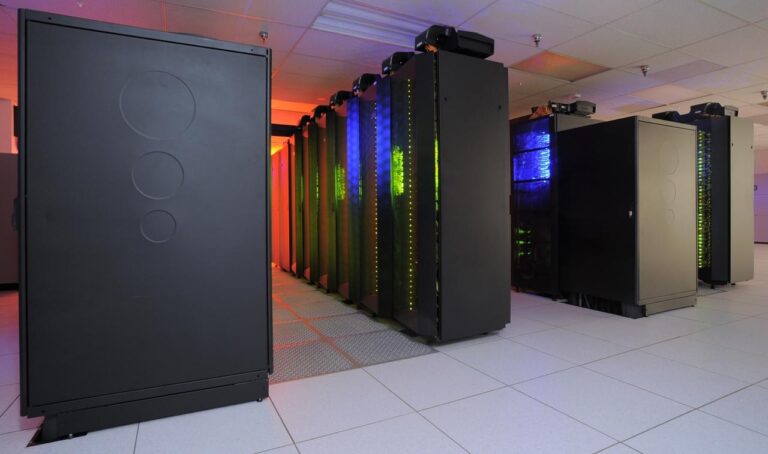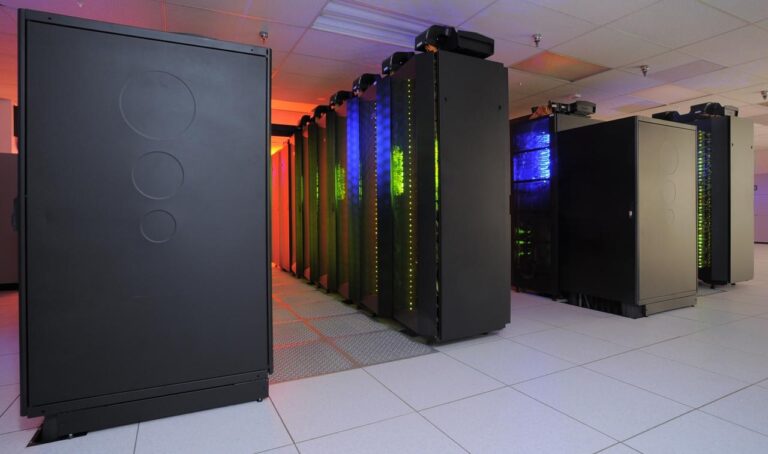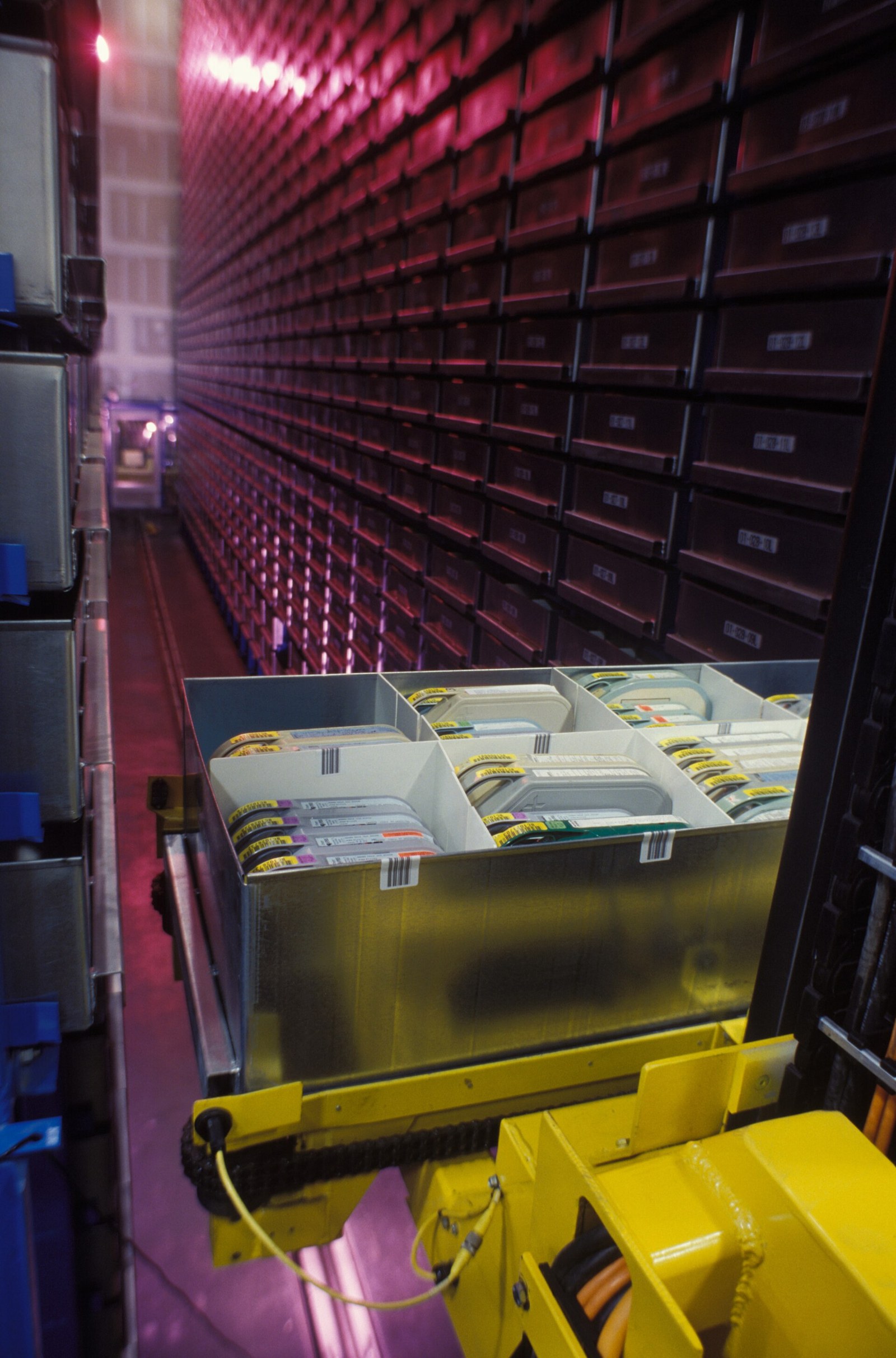
Image: Lance Cheung · Public domain · Wikimedia Commons
One question runs through today’s items: who controls the interface a buyer or an agent has to pass through.
Amazon moves first on its storefront. AWS and xAI fight over cost per token. Google tries to make the laptop the front door to Gemini, and California makes data centers pay their own way.
Amazon blocks Meta’s Muse agent from its storefront
Amazon has closed its shopping site to Meta’s Muse personal agent, adding Meta to a list that already includes Google, OpenAI and Perplexity, the last of which is still litigating the block. The precedent outlasts the incident: a retailer can decide unilaterally whether an assistant transacts against its catalogue, and those terms become the ceiling on any shopping agent. Palo Alto Networks’ chief executive expects every large platform to field one, which makes storefront access a negotiating position rather than a technical problem.
Source: The Information
AWS releases a general-purpose agent harness for Python and TypeScript
AWS has published Strands, an open-source harness that runs locally or against whichever model provider a team already pays for, with a CLI and shell, file and web tools included. AWS reports near-equal scores to Claude Code, Codex and similar runtimes across six tests while burning 28 percent fewer tokens, which it attributes to default prompt caching and automatic context compaction. Two caveats for anyone adopting it: the comparison set is all coding agents while Strands is pitched as general-purpose, and AWS graded its own work. An evaluation paper is promised.
Source: The Register
Google opens Googlebook preorders at $899 with Gemini built in
Google is taking preorders for Googlebook, an Android laptop at $899 that bundles twelve months of Google AI Pro and a handful of features that exist only on the device, including a cursor that hands selected screen content to Gemini and Rambler, which turns rambling dictation into readable text. It ships October 4 in the US and a day later in five more markets, built by Acer, ASUS, Dell, HP and Lenovo, with ten years of promised updates. The bet underneath is distribution: schools hold roughly 50 million Chromebooks, and Google wants their eventual replacements running paid Gemini.
Source: TechCrunch AI
California signs seven data center bills on water, power and cost
Governor Newsom signed seven bills requiring data center operators to disclose water and electricity consumption, fund their own grid connections and a larger share of wildfire mitigation, and involve host communities in siting decisions. He vetoed a near-identical water reporting bill last year after industry lobbying, so the reversal is the signal: sixteen states are weighing construction bans and Data Center Watch counted 45 projects worth roughly $68 billion blocked or delayed in the second quarter. California site planning now carries a disclosure and cost-sharing line item.
Source: The Register
xAI sells Grok 4.7 on price, not capability
xAI released Grok 4.7, its strongest model to date, and is marketing it on cost rather than benchmark leadership. It scores 46 on the Artificial Analysis Intelligence Index, against 53 for Claude Fable 5.1 and GPT-6, and the deficit widens on agentic coding tasks. That fits high-volume, fault-tolerant work such as classification, extraction and routine drafting; it fits poorly where an agent must complete multi-step tasks unattended, because a mid-pack score converts into retries and supervision time.
Source: The Decoder
Sources
About the Author