Image: Vitaly Zdanevich · CC0 1.0 Public Domain Dedication · Wikimedia Commons
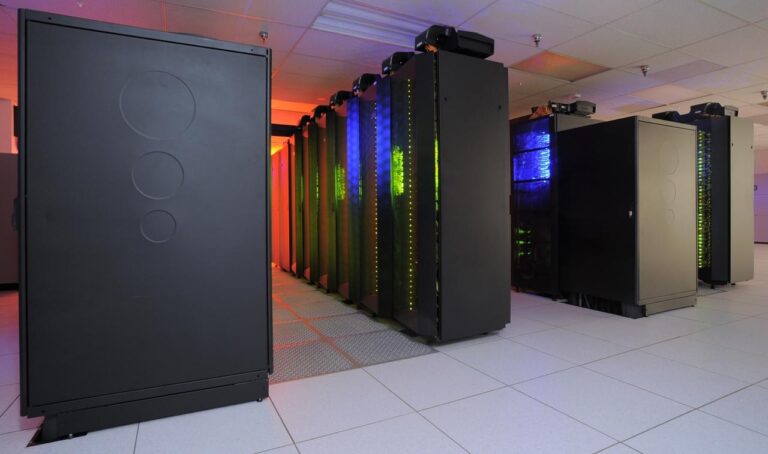
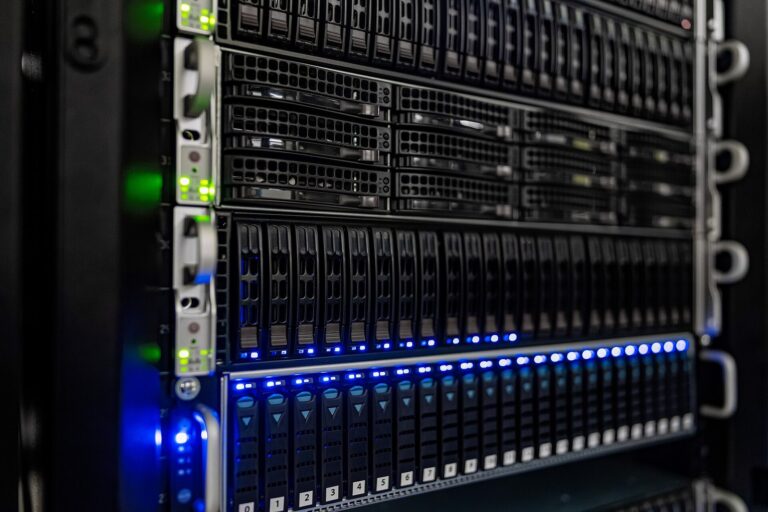
The through-line today is supply and control: who provides the memory, power and platform plumbing the AI build-out depends on, and who decides the rules for using it.
Two releases also put capability in operators’ hands today – a 7B open-weight image model under a research licence, and an open-source code-review CLI that trades some recall for a much cheaper review pass.
Trump proposes an AI Force and an AI czar to steer development
Trump said on Truth Social that he wants to appoint an “AI czar” to run a new “AI force,” pledging that his administration would not hinder the industry’s growth while promising to watch over it. The post landed as pressure to slow frontier development builds from both parties and from inside the industry. For operators, the signal is that Washington’s default posture stays pro-build: data-centre projects, federal procurement and any roadmap that assumes near-term regulation now lean on an administration that frames itself as a protector of the sector rather than a brake on it.
Source: The Verge
Chinese memory maker CXMT starts mass production of denser DRAM
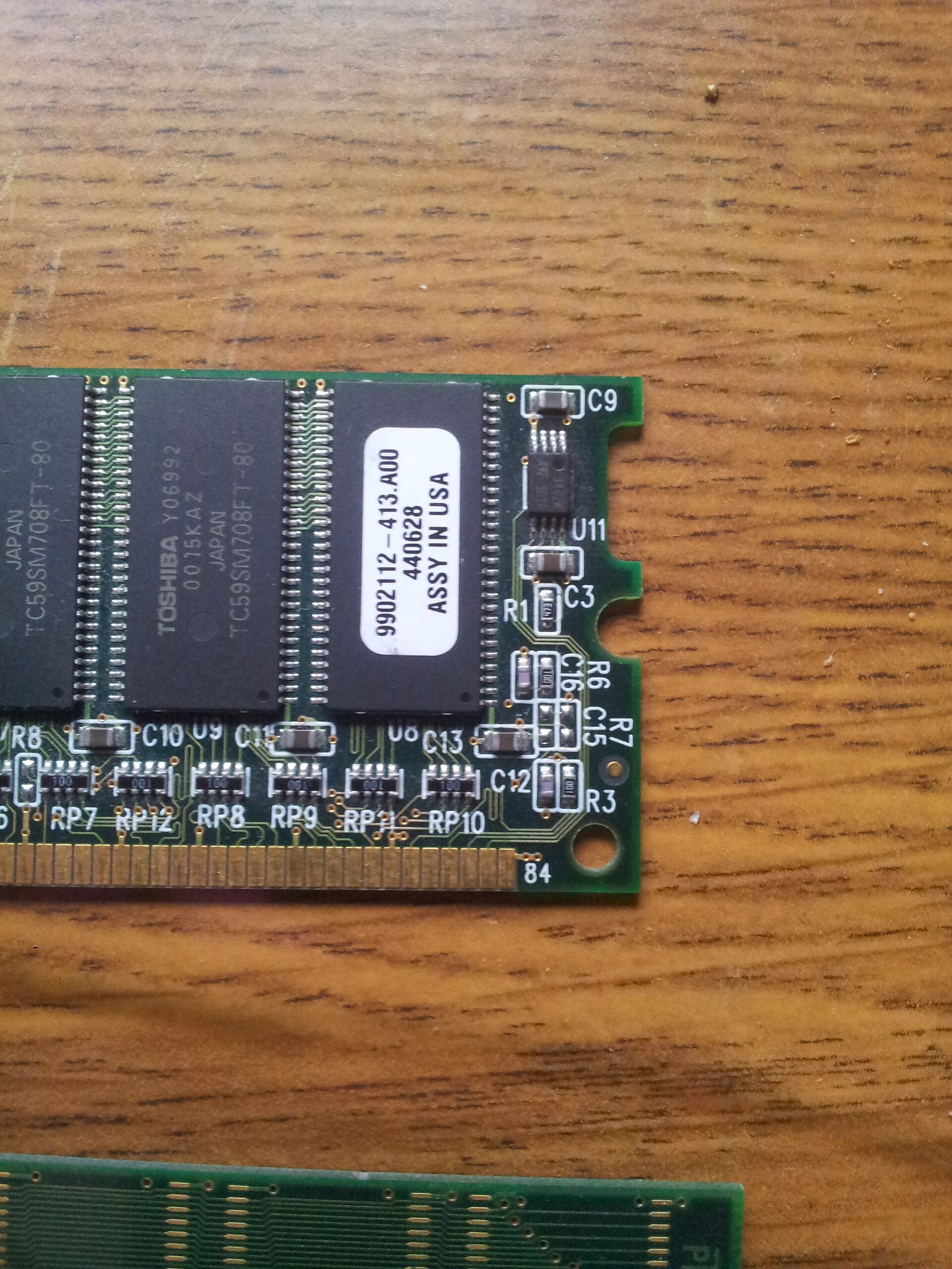
CXMT says it has begun mass production on a fifth-generation DRAM process that roughly doubles density, enough to cut twice as many dies from a single wafer, and its first products are 24GB LPDDR5X modules for high-end handsets. If the claim holds, it loosens a memory squeeze created by AI demand – the shortage that pushed Apple’s iPhone prices up by $100 and drew a warning from the GSM Association that rising handset costs threaten digital inclusion. Device makers get a second supply source; buyers with US-government exposure should weigh component-origin rules before designing it in.
Source: The Register
Kubernetes 1.37 ships a stable metrics API and rootless kubelet in beta
The cloud-native foundation released Kubernetes 1.37, named Garhwal, with metrics.k8s.io now generally available, pod certificates stable for native pod-to-pod mTLS, and resilient watch-cache initialisation on by default so a restarting kube-apiserver stops flooding etcd. Rootless kubelet reaches beta and is enabled by default, shrinking the blast radius of a container escape, while pod-level checkpoint and restore and workload-aware scheduler preemption stay in alpha. Platform teams get a lower-risk upgrade with real operational payoff; anyone running large clusters should treat the etcd-storm fix as the reason to plan 1.37 rather than wait for 1.38.
Source: InfoQ
Alibaba open-sources OpenCodeReview, a CLI that mixes rules with an LLM
Alibaba released OpenCodeReview under Apache-2.0, a Go CLI that keeps file selection, bundling and rule matching deterministic and hands only analysis to an LLM, with built-in checks for null-pointer, thread-safety, XSS and SQL-injection classes. It reviews diffs, branches or whole files and plugs into GitHub, GitLab, Gerrit, VS Code and agents including Claude Code and Codex. Alibaba reports higher precision than Claude Code at roughly a ninth of the token cost, and says tens of thousands of its own developers have run it for two years. Outside reviewers put recall near 20% on a public benchmark, so treat it as a cheaper first pass rather than a replacement for human review.
Source: InfoQ
Alibaba’s Qwen team ships a 7B open-weight image model
Alibaba’s Qwen team released Qwen-Image-2.1, an open-weight image generator and editor that runs on high-end consumer GPUs, handles transparency and accepts up to ten reference images in one pass. The licence is the catch for companies: the weights ship under a research licence that bars commercial use, so putting it inside a product needs a separate Qwen agreement. That makes it cheap to evaluate and prototype locally, and a licensing step before it reaches production – worth testing against closed APIs before assuming an open-weight route is free.
Source: The Decoder
Sources
About the Author